Introduction
Identifying mid-century modern furniture can be challenging because many contemporary reproductions replicate clean lines, tapered legs and minimalist forms. Although these similarities can make them convincing, maker’s marks, construction and materials can help differentiate between the original and reproductions.
Authenticity can affect a piece’s historical significance, designer attribution and market value. However, there is no single feature to determine the authenticity of furniture. In this blog, we will explore important factors to identify genuine mid-century modern furniture.
How to Identify Authentic Mid-Century Modern Furniture?
To assess whether a mid-century furniture piece is original, check its maker’s marks, materials, construction, dimensions, condition and ownership history. Compare these details with reliable manufacturer records, archived catalogues or documented examples of the same design. Consider these factors as supporting evidence rather than proof.
Check the Manufacturer and Designer Attribution
Ask for a designer and manufacturer before considering any other characteristics because a single piece can be designed by one person and manufactured by another company. Make sure that the product specifications match the proposed design.
Also ask about the production time period of the piece to know its age. Vendors usually list the names of designers and manufacturers, but not always. If they have not mentioned the names and are reluctant to tell, then you should do further investigation.
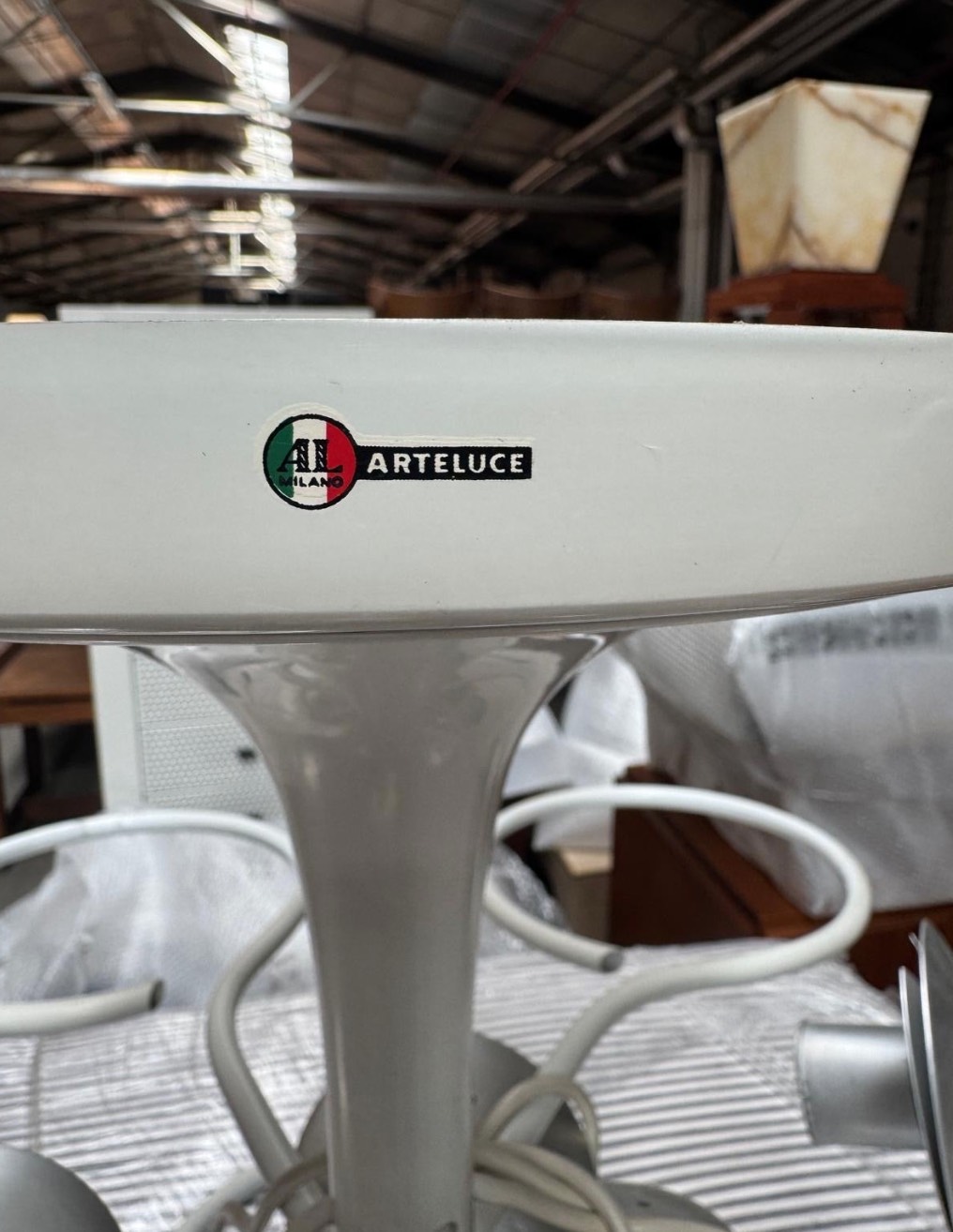
Consider Maker’s Marks, Stamps, Labels and Serial Numbers
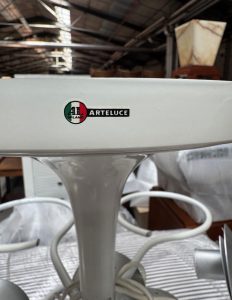
Check the furniture thoroughly before buying to see if there is any label, stamp or mark because vintage furniture usually has stamps, marks or a number, which can help in further investigation or to know about the maker.
- Metal tags near bed frames
- Underside of the table and chair
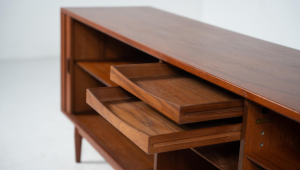
- Inside drawers and shelf units
- Back panels of mirrors and dressers
Take pictures of any labels, stamps or serial numbers and compare them with the manufacturer-verified examples. Check whether the marks’ design, such as logo and typography, is consistent with pieces claimed to be of that age because these marks can be copied.
Inspect Materials and Construction
Check the materials and construction to see whether they are consistent with the furniture’s claimed maker, design and period. This may include teak, walnut or rosewood veneers and solid wood components, alongside metal, glass, leather and upholstery depending on the piece.
Look at veneer edges, grain patterns, joints, fasteners, frame construction and finishing and compare these details with documented examples of the same model. Good craftsmanship can support the assessment but does not prove that the piece is an original mid-century design.
Compare Dimensions and Design Details
Measure the width, height and depth of the furniture pieces, such as a drawer and compare them with documented product specifications to ensure the right dimensions by using product details from their website for authenticity. Also consider traditional mid-century modern furniture design details such as:
- Dovetail joints, which are common in drawers
- Mortise and tenons, used to connect bigger structural parts
- Finger joints, regular projections that interlock corner pieces
Small differences in the design can reflect a different model, so they are not proof that mid-century modern furniture is authentic.
Assess Condition, Repairs and Alterations
The condition can significantly affect the authenticity of mid-century modern furniture. For example, upholstery in good condition can command a higher price compared to a repaired one. But the condition, repair and alteration do not make a vintage furniture piece inauthentic. Look for
- Original finishes with consistent age patterns
- Structural repairs or replacement should match original specifications
- Design consistency between components
Document any structural repair or alteration when buying a vintage furniture piece to maintain authenticity.
Ask for Provenance or Paperwork
Provenance is a documented history of a furniture piece, including its ownership and, where available, its maker, original sale and previous location. A well-supported ownership history can strengthen an authenticity assessment, particularly when it connects the piece to a known designer, manufacturer or period. The key things to ask the seller before buying this furniture include:
- Previous ownership details
- Historical photographs showing its condition
- Original receipts and purchase records
- Manufacturer documentation
Compare these records with the furniture and check whether dates, descriptions, model details and identifying marks are consistent.
A Buyer’s Checklist Table for Authenticity of Mid-Century Modern Furniture
Before buying a mid-century furniture piece, use this checklist to assess the supporting evidence, identify red flags and decide whether further verification is required or not.
| What to Look for | Questions to Ask | Warning Signs |
| Maker’s Mark | Can a label and mark be verified independently? | Inconsistent marks, stamps and labels |
| Materials | Are materials consistent with the claimed model? | Unexplained materials and substitutions |
| Construction | Are frames, joints and moving parts working effectively? | Construction details that differ from reliable references |
| Condition | Which parts are repaired, replaced and refinished? | Inconsistencies between claimed age and condition |
| Dimensions | Do measurements match the manufacturer’s specifications? | Undisclosed differences in proportions and dimensions |
| Provenance | Does reliable documentation support ownership history? | Unsupported claims about the ownership and age. |
However, a single warning sign does not mean that the product is a reproduction, but if there are several inconsistencies and the seller is not providing provenance, then you should do further investigation.
What are the Common Mistakes to Avoid While Identifying Authentic Mid-Century Modern Furniture?
Relying only on appearance can lead to costly mistakes while buying mid-century modern furniture, as there is no single feature to determine authenticity. Keep some common mistakes in mind before deciding whether a piece is authentic.
- Not verifying labels or marks
- Judging by appearance alone
- Assuming all wear proves age
- Confusing designer attribution with originality
- Overlooking provenance
Frequently Asked Questions About Mid-Century Furniture
Is mid-century modern furniture timeless?
Yes, mid-century modern furniture is widely considered timeless due to the combination of its design and functionality.
How to tell if something is mid-century modern?
The design, material, construction and markings can help to determine the age or period of mid-century modern furniture.
Which wood is popular for mid-century modern furniture?
Different types of wood are used in mid-century modern furniture, while some popular wood options include teak, walnut, oak and rosewood.
What are the key characteristics of mid-century modern furniture?
Clean lines. Organic shapes and a sense of minimalism are the key characteristics of mid-century modern furniture.
Conclusion
Identifying authentic mid-century modern furniture requires assessing the maker’s marks and labels, stamps, checking its materials and construction, considering dimensions and designs and asking for provenance. Use them as supporting evidence, not proof of authenticity.
Considering these characteristics and looking for some warning signs can distinguish mid-century modern furniture from reproduction. Seek professional opinion before buying instead of just relying on these characteristics. If you are looking for a reliable resource for mid-century modern furniture, you can contact Living in Style Gallery to get authentic pieces.