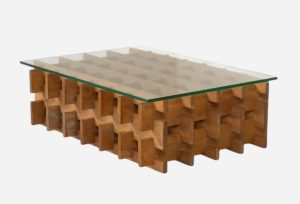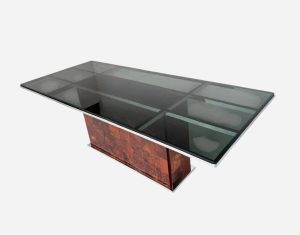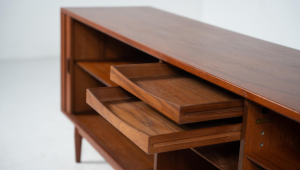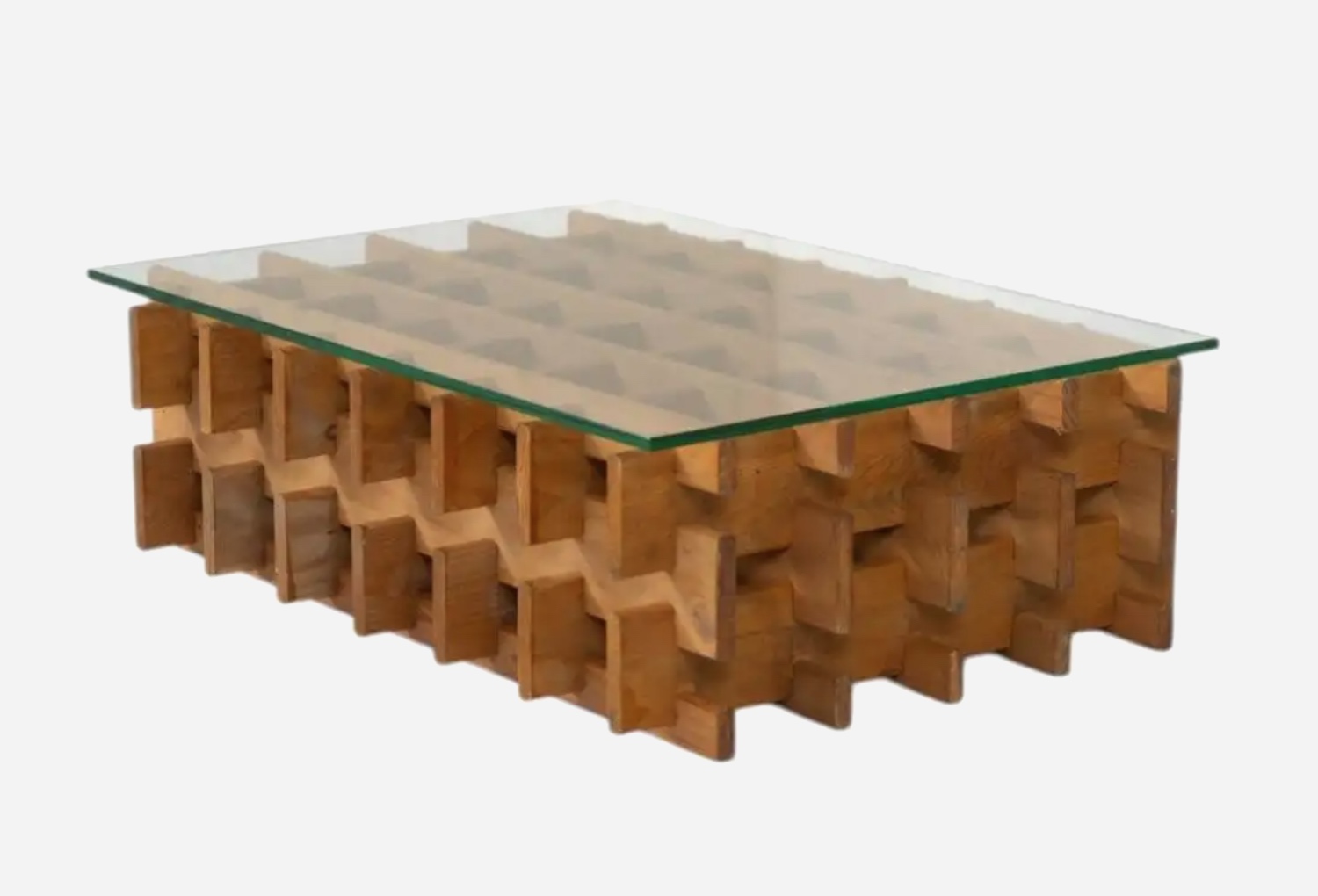
Mixing mid-century furniture with modern pieces is the best way to create an inviting and stylish living space. To achieve this look, you need to focus on combining warm wooden furniture and curved shapes with simple modern designs, clean lines, and simple finishes. Selecting colours and materials that work well together helps create a balanced, attractive appearance that never goes out of style.
The right blend of furniture designs can highlight the best features of both mid-century and contemporary designs. Mid-century furniture can add a cosy feel, natural wood tones, and a touch of vintage style to the room. In contrast, contemporary pieces add clean lines, simple shapes, and modern finishes. When you mix them carefully, these styles create a comfortable, stylish living area without making the room look old-fashioned or too modern.
The most important part is to select furniture pieces that balance each other in colour, shapes, materials, and proportions. In this blog, you will discover how to mix mid-century and contemporary furniture. We will explore different ideas room by room and discuss how to avoid common decorating mistakes to make everything work well together in your house.
Understanding Mid-Century and Contemporary Furniture Designs
What is Mid-Century Modern furniture?
Mid-century modern furniture is known for its clean lines and simple designs. This design style emerged from the 1940s through the end of the 1960s and became popular after World War II. Designers like Eames, Saarinen, Wegner, and others experimented with different materials like moulded plywood and fibreglass to create furniture with new shapes. Their designs avoided excessive decoration and concentrated on simplicity, comfort and functionality.
The key features of mid-century modern furniture involve:
Tapered, Angled Legs: These tapered, angled legs are possibly one of the most signature styles made from wood and set at a slight outward angle.
Function-Driven Design: Mid-century furniture was designed for everyday use, frequently adding practical elements like built-in storage instead of serving only as a decoration.
Organic, Gently Curved Silhouettes: Mid-century furniture focuses on soft, round shapes inspired by nature instead of sharp geometric lines.
Mixed Materials: Wood is often combined with leather, brass and moulded plastic in a single piece. These combinations offered fresh designs at the time and continue to look beautiful today.
Warm Wood Tones: Signature materials such as teak, walnut and oak are often kept in a natural state or a lightly coloured wood finish instead of painted or lacquered.
What is Contemporary Furniture?
Contemporary furniture means the furniture designs that are popular today instead of those from any particular historical period. In contrast to mid-century modern furniture, contemporary designs evolve over time as trends change. For instance, contemporary furniture styles were different in the 1990s compared to the designs that are famous today.
Contemporary furniture design trends have several common features:
Clean, minimal lines: Contemporary furniture mainly focuses on simple designs instead of excessive decoration, with clean finishes and uncomplicated shapes.
Contemporary Materials and Finishes: Contemporary furniture often uses materials like glass, metal, and manufactured wood, mixed with fabric-covered cushions and seats, in contrast to the combination of wood and leather used in mid-century modern pieces.
Neutral and Monochromatic Palettes: Soft grays, warm neutrals and blacks often form the background, with accent colours introduced through furniture, artwork and soft furnishings.
Geometric and Architectural Forms: This design often focuses on straighter lines and more defined shapes, whereas mid-century features rounded shapes and soft curves. However, curved designs are also becoming popular in contemporary furniture styles.
Constant Evolution: Contemporary furniture displays up-to-date trends instead of any fixed era. It evolves with time, unlike mid-century modern design that keeps its distinctive features for over seventy years.
Mid-Century vs Contemporary Furniture: A Quick Comparison
| Feature | Mid-Century Furniture | Contemporary Furniture |
| Time period | Fixed era (1940s–1960s) | Reflect current trends |
| Colour palette | Warm wood tones, mustard, olive, burnt orange accents | Neutrals like grey, white, and black with rotating accent colours |
| Materials | Wood, leather, brass, moulded plastic | Metal, glass, engineered materials and performance fabric |
| Shapes | Organic curves, rounded edges | Clean geometric lines, increasingly curved in recent years |
| Leg style | Tapered or angled wood legs | Changes: Often slimmer metal or hidden legs |
| Decoration | Minimal and function-led | Minimal, often even more pared back |
Practical Rules for Mixing Mid-Century and Contemporary Furniture
Rule 1: Follow the 70/30 Ratio
A 70/30 split is a useful starting point when you are doubtful about style proportions. You can select one furniture style to dominate about 70% of the room and use other styles for the remaining 30%. For instance, choose modern furniture as the key design and add vintage pieces like an old mirror, a wooden side table or vintage artwork. The ratio does not have to be exact; it aims to prevent the room from feeling equally divided between styles.
Rule 2: Use Colour to Connect Different Eras
Use different colours that balance both modern and vintage furniture. For example, you can create a balanced look by pairing a dark vintage cabinet with a grey sofa and cushions that involve warm wood tones. Neutral colours like grey, white, and beige can easily align with different designs.
Rule 3: Select furniture with Balanced Proportions
Ensure that your furniture pieces are well organised in size and shape. A large vintage dining table can complement modern chairs of a similar height and visual impact. It is crucial to avoid pairing furniture that is too large or too small so that one item looks out of place.
Rule 4: Repeat One Material or Finish
To blend different furniture styles, use a shared material or finish. For example, you can pair a vintage coffee table with a contemporary wooden bookshelf in a similar wood tone. Likewise, you can create a consistent look by repeating wood tones and black metal elements.
Rule 5: Choose Quality Vintage Pieces
Choose vintage furniture that adds charm and is visually appealing. In a standard room, a wooden sideboard, antique mirror, decorative lamp or original artwork can become a focal point. You can select items based on their quality, look and condition instead of filling the area with too many vintage pieces.
Rule 6: Update Vintage Pieces with Modern Touches
You can transform vintage furniture to match a contemporary interior. For example, repaint a wooden bookcase with an appropriate colour, swap out an old cabinet for a modern one, or revamp a vintage chair in a modern fabric. These variations keep the furniture’s charm while offering a fresh look.
Rule 7: Mix More Than Two Eras
You can pair furniture and accessories from different eras to develop a visually interesting space. For instance, combine a contemporary sofa and vintage table lamps, a mid-century chair with a traditional rug. Select items that balance each other instead of restricting the space to one particular decade.
Rule 8: Create Deliberate Contrast
Contrast gives a mixed interior energy. Pair items that look different yet complement each other. For instance, put an ornate vintage mirror above a simple modern console table. The difference between the vintage mirror and the clean design of the table creates visual interest.
Rule 9: Avoid Unnecessary Clutter
There is no need to display every vintage item. Place items that add charm, have emotional significance or balance the style of the room. At the same time, get rid of unwanted pieces so the area feels well organised, and your best furniture items draw attention.
Ready-To-Use Furniture Combinations
Mid-Century Dining Table with Traditional Chairs
Combine traditional wooden dining chairs with a mid-century oval dining table. The difference between the chair’s classic designs and the table’s clean lines can create a well-organised dining area. Select contemporary wood tones and maintain a minimalist backdrop to help the contrast be fully appreciated.
Vintage Wooden Desk with Modern Chairs
Place a vintage wooden desk along with a simple contemporary chair to blend classic craftsmanship with modern style. You can also add a natural-fibre rug and a vintage mirror to present different textures and periods. White walls can create a cohesive look for these different items and keep the room from feeling overcrowded.
Modern Sofa with Antique Armchairs
Mix a contemporary sofa with traditional armchairs to make a comfortable living room with different designs. You can display patterned fabrics or colourful cushions to add warmth and texture. Leave the other furniture comparatively simple so that the different styles maintain the main features of the room.
Modern Glass Table with Vintage Accent Pieces
Combine a contemporary glass dining table with a classic side table or traditional ottoman. Although the glass surface offers a light, modern look, the traditional furniture adds charm and texture. Select seating with distinctive shapes or fabric to create a difference without making the room feel cluttered.
Contemporary Sofa with Vintage Cabinets and Lighting
Mix a modern sofa in a simple fabric with an antique cabinet and contemporary pendant lighting. You can also present a mid-century mirror to add a touch of history to the room. A blend of different furniture designs, materials and finishes can create visual interest, whereas a reliable colour palette supports the overall style and makes it feel unified.
Room-by-Room Ideas for Mixing Mid-Century and Contemporary Furniture
Living Room
You can combine a low-profile sofa with a modern coffee table and accent chairs. To create contrast, use basic colours like brown and beige with mustard yellow or teal cushions. At the same time, you can add wooden furniture, decorative cushions, and a vintage floor lamp to soften the space and add character to the room.
Main Bedroom
Select a simple upholstered bed with a padded headboard and combine it with wooden bedside tables or a dresser. You can enhance the overall appearance by using bedding and curtains in neutral colours or delicate designs. Styles such as vintage-inspired bedside lamps and abstract artwork add character while maintaining the room’s relaxed and elegant feel.
Dining Room
You can blend a sturdy wooden dining table with modern chairs that have modest shapes and clear lines. To maintain a balanced appearance, hang a statement pendant light above the table and use neutral wall colours in the room.
Kitchen
Mix modern kitchen cabinets with warm wooden finishes or soft pastel colours. To complement this, you can select simple cabinet handles and add open shelves to display dishes or decorative pieces. If you want to further enhance the look of your culinary space, then a geometric backsplash, stainless steel appliances and pendant lights above the kitchen island can add a contemporary touch to the area.
Children’s Bedroom
Select versatile furniture like a storage bed or desk with built-in shelves and combine it with wooden details and soft furnishings. You can also add a touch of orange or yellow against neutral walls to create a cheerful feel in the room. The overall look of the room can be enhanced with colourful wall art and geometric rugs.
Home Office
Combine a comfortable modern chair with a wooden desk with angled legs. You can also add shelves to store books and office materials, along with a retro-style desk lamp for additional charm. Earthy colours such as warm brown, beige and olive green, when mixed with a green or yellow touch, can create an inviting space. Neutral colours can also keep the room bright and relaxed.
Bathroom
Mix a modern floating vanity with simple taps and geometric tiles. You can add a circular mirror with a thin metal frame to present a delicate vintage touch to your bathroom. To keep your everyday necessities well organised, you can add open shelves with storage baskets.
Common Mistakes to Avoid When Mixing Mid-Century and Contemporary Furniture
1. Using Too Much Wood
Mid-century furniture often comes with a wood finish like teak, walnut and oak. But using too much wood can make your room feel heavy due to similar brown tones. If you want to create a balanced appearance, you need to mix it with other tones and colours for a lighter and more contemporary look.
- Add soft fabrics and a variety of textures like glass or marble.
- Balance darker wooden furniture with lighter neutral-coloured walls.
- Use contrasting colours such as olive green, navy blue and mustard yellow.
2. Mixing Too Many Furniture Styles
Combining mid-century furniture with too many contrasting styles can create a room that appears cluttered and unbalanced. Start by concentrating on mid-century and contemporary designs, then introduce other styles with care to ensure a cohesive appearance.
- Avoid adding too many contrasting styles.
- Keep the overall appearance simple and well-organised.
- Use similar shapes, colours and wood finishes.
3. Ignoring Furniture Size and Proportion
Furniture items that vary greatly in size can disrupt the room balance. Select items with well-matched proportions to keep a balanced look while leaving sufficient space for movement.
- Avoid large furniture items in small rooms.
- Pair low-profile furniture with items of an appropriate height and scale.
- Leave sufficient space around furniture to retain the room open and relaxed.
4. Choosing Appearance Over Quality and Comfort
Furniture might appear elegant but could lack good quality or be uncomfortable. You have to look for its practical use alongside its appearance when mixing mid-century and contemporary designs.
- Select comfortable seating for daily use.
- Examine the furniture’s construction and strength.
- Choose items that align with your desires and balance the room’s overall style.
5. Choosing the Wrong Lighting
The overall look of the room can be impacted by lighting that is too harsh and does not balance the furniture. When there is appropriate lighting, it supports a warm and inviting atmosphere in the room while enhancing the appearance of vintage and contemporary items.
- Add floor or table lamps with soft shades.
- Use warm-white bulbs for a light feel.
- Select lamps with brass, wooden or matte-black foundations to balance the furniture.
Final Thoughts
Mixing mid-century and contemporary furniture is an ideal way to create an elegant, comfortable home that matches your style. You can create a balanced look in any room by combining warm wood tones, curved shapes, and traditional details with modern styles, clean lines, and simple finishes. Some mid-century pieces can add warmth and character, while contemporary furniture keeps the space looking fresh and practical. When blended thoughtfully, you can enjoy the warmth of mid-century furniture and the fresh look of contemporary design, creating an inviting room that continues to look attractive for years to come.
FAQs
Can the mid-century modern style work in small spaces?
Yes, mid-century modern design can work practically well in small spaces. Its low-profile furniture designs, slim legs, and simple shapes without extra decoration can create a feeling of spaciousness and comfort. Select furniture that serves more than one purpose to keep your layout simple and avoid making the room look cluttered.
What colours work best with mid-century modern furniture?
You can use earthy colours such as olive green, walnut, rust and mustard. These colours pair well with neutral tones like cream and grey.
What is the 70/30 rule for mixing furniture styles?
The 70/30 rule means using one furniture style for around 70% of the room and another style for the remaining 30%. For instance, you can use contemporary furniture for most of the room and add mid-century items like a wooden side table or a vintage mirror to make a balanced and attractive appearance.