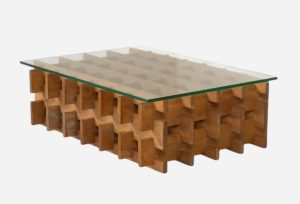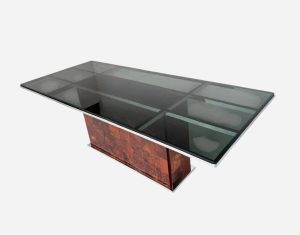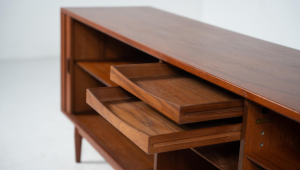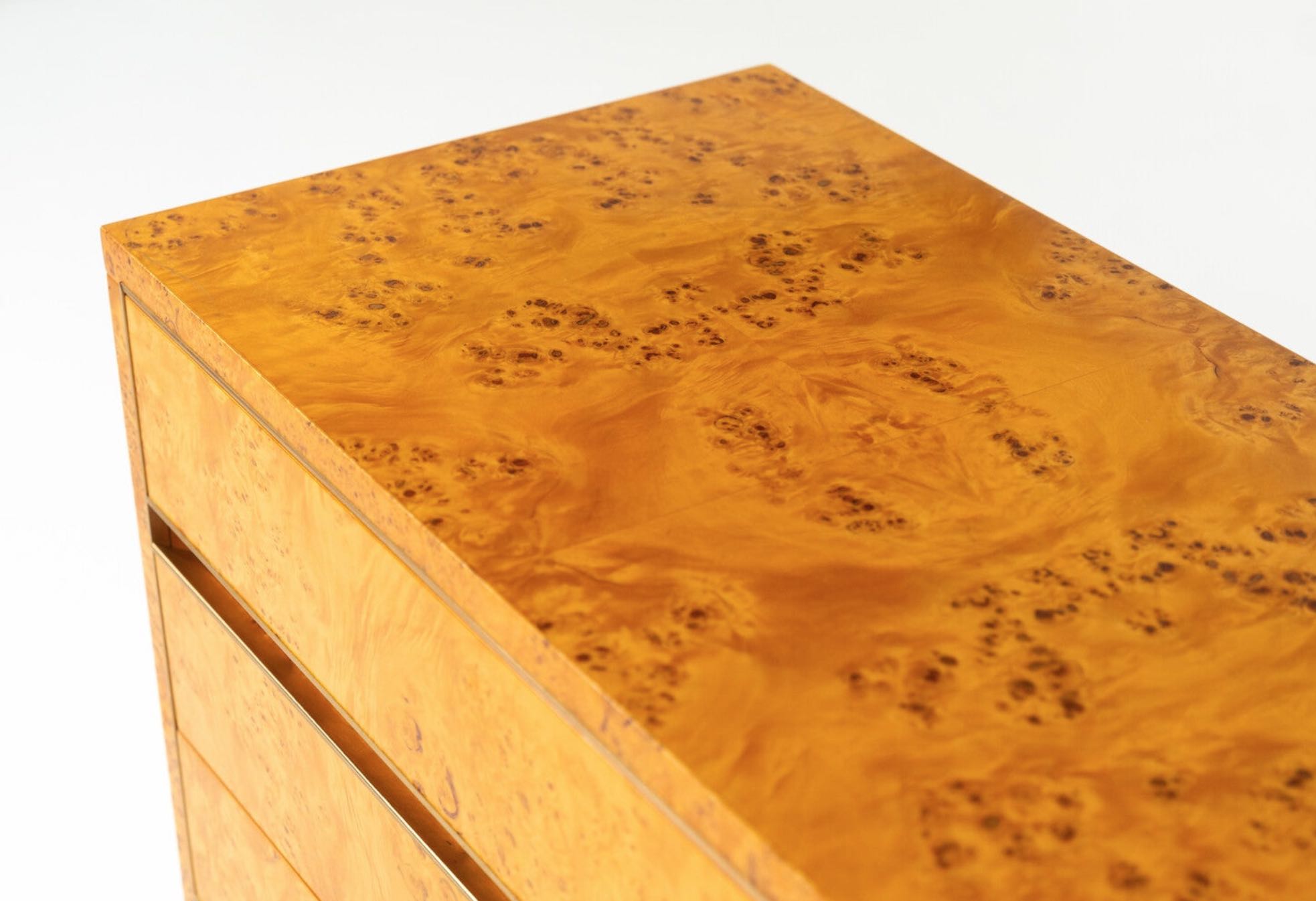
Some pieces simply have presence. A beautifully proportioned sideboard, an armchair with an unexpected curve, a table that makes you stop and look.
Buying vintage designer furniture begins with that attraction. Then come the questions: who made it, what has changed over the years, and how will it work in your home?
At Living in Style Gallery, we choose pieces for their design, character and condition. We want you to enjoy discovering them, but also to feel comfortable asking questions before making one yours.
Understand What You Are Buying
The terms vintage, antique and reproduction describe different things, although they are sometimes used loosely.
Vintage generally refers to furniture that is at least 20 years old, but there is no single age threshold used across the market. Antique furniture is generally considered to be at least 100 years old. Neither term, on its own, tells you who designed a piece or how well it was made.homesandgardens
When furniture is attributed to a particular designer or manufacturer, ask what supports that attribution. A later reproduction of an earlier design is not the same as an original period example, so the description should make clear what is being offered.decorilla
The important thing is to understand the piece in front of you, rather than relying on a familiar name.
Look Beyond the Label
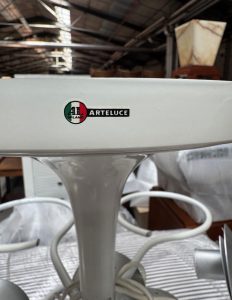
A maker’s mark, stamp or original label can be a useful starting point. Dimensions, materials and construction details can also help when comparing a piece with documented examples. Ask what is known about its history and whether any supporting information is available on homesandgardens
Provenance is the history of a piece, supported where possible by records of ownership, receipts, photographs or other documentation. Not every vintage piece comes with an extensive paper trail, so it is important to distinguish what is known from what remains uncertain.
You do not need to become a design historian before buying. You should, however, feel comfortable asking questions and receiving clear answers.
Look Closely at Condition
A beautiful silhouette is a good beginning. Take a closer look at the details.
Examine surfaces, edges, joints and fittings. Check that drawers and doors operate properly, and ask to see any areas that are not clearly shown in photographs. If you are viewing a chair in person, sit in it and consider both comfort and stability.
At Living in Style Gallery, condition is part of our selection process. We do not buy damaged pieces to restore. Our approach is usually a thorough clean, rather than extensive intervention.
That distinction matters to us. We are choosing the piece as it is, not for what it might become after substantial work.
Ask What Remains Original
Before buying, ask whether a piece has been repaired, refinished or reupholstered, and which elements remain original. Understanding any previous work helps you understand what you are buying.decorilla
Our preference is to retain original fabric wherever possible. Reupholstery is not an automatic step in preparing a piece for the gallery.
When it is needed, we oversee the process. The aim is to make a considered decision for the individual piece, rather than give everything a new finish or a different look.
If you are buying something that needs further work, establish what is required, who will arrange it and whether the cost is included in the price.veranda
Pay Attention to Materials and Construction
Look beyond the surface and ask how the piece has been made.
Check joints and supports, examine edges and fittings, and look for lifting veneer or signs of previous repairs. Test doors, drawers and adjustable parts where possible. These details help establish whether a piece is ready to use or needs further attention.decorilla
They also give you more to appreciate than a designer’s name alone: the way a drawer moves, the meeting of two materials or the care taken over a detail you might not notice at first.
Consider Presence as Well as Size
Start with the measurements, but do not stop there. Think about the role you want the piece to play.
Should a cabinet sit quietly within the room, or be the first thing you notice? Are you drawn to the softness of a curved chair, or the precision of something more architectural?
There is no need for every piece to match. Consider the contrasts you enjoy and how a new addition might sit alongside what you already own.
Check height and depth as carefully as width. Allow space for drawers and doors to open, and consider the route into your home, including doorways, stairs and lifts.
If you are unsure, we can talk through proportions and how a piece might work with your existing furniture. We can also provide additional photographs or arrange a video viewing, giving you a closer look when visiting the gallery is not practical.
Buy for Enjoyment, Not Just Resale
A designer’s name may draw you towards a piece, but it should not make the decision for you.
Consider its proportions, comfort, condition and usefulness. Does it suit the way you live? Would you still want it if nobody recognised who designed it?
If future resale matters, look at comparable sold pieces and ask how the price relates to condition, rarity and attribution. Advertised prices alone do not tell you what buyers have actually paid.veranda+1
Choose something you want to live with, rather than relying on a promise of future value.
Questions Worth Asking Before You Buy
A conversation with the seller should leave you with a clearer understanding of the piece. Useful questions include:
- Who designed and manufactured it, and what supports the attribution?
- What is known about its history?
- Which elements remain original, including the upholstery?
- Has it been repaired, refinished or reupholstered?
- Are there any condition details I should know about?
- Will it need any work before use?
- Can I see additional photographs or arrange a video viewing?
- What are its full dimensions?
- How will delivery be arranged?
Find the Piece You Want to Live With
The shape may catch your eye first. The details will help you decide whether it is the right piece.
Take time to understand its history, look closely at its condition and imagine using it every day. The decision should feel considered, but it should still be exciting.
Visit Living in Style Gallery in Marylebone to explore the collection and talk through what has caught your eye. If you cannot visit, we can share further photographs, arrange a video viewing and help you consider how a piece might work in your home.